
TL;DR
Fairfax County Public Schools is redrawing school attendance boundaries for the first time in decades. The proposal could move about 1,700 students, less than 1 percent of the district, but has sparked intense concern from parents about transparency, community disruption, and what this means for the future. Boundary reviews will now happen every five years, meaning more changes could be coming.
What Is Happening in Fairfax County Schools?
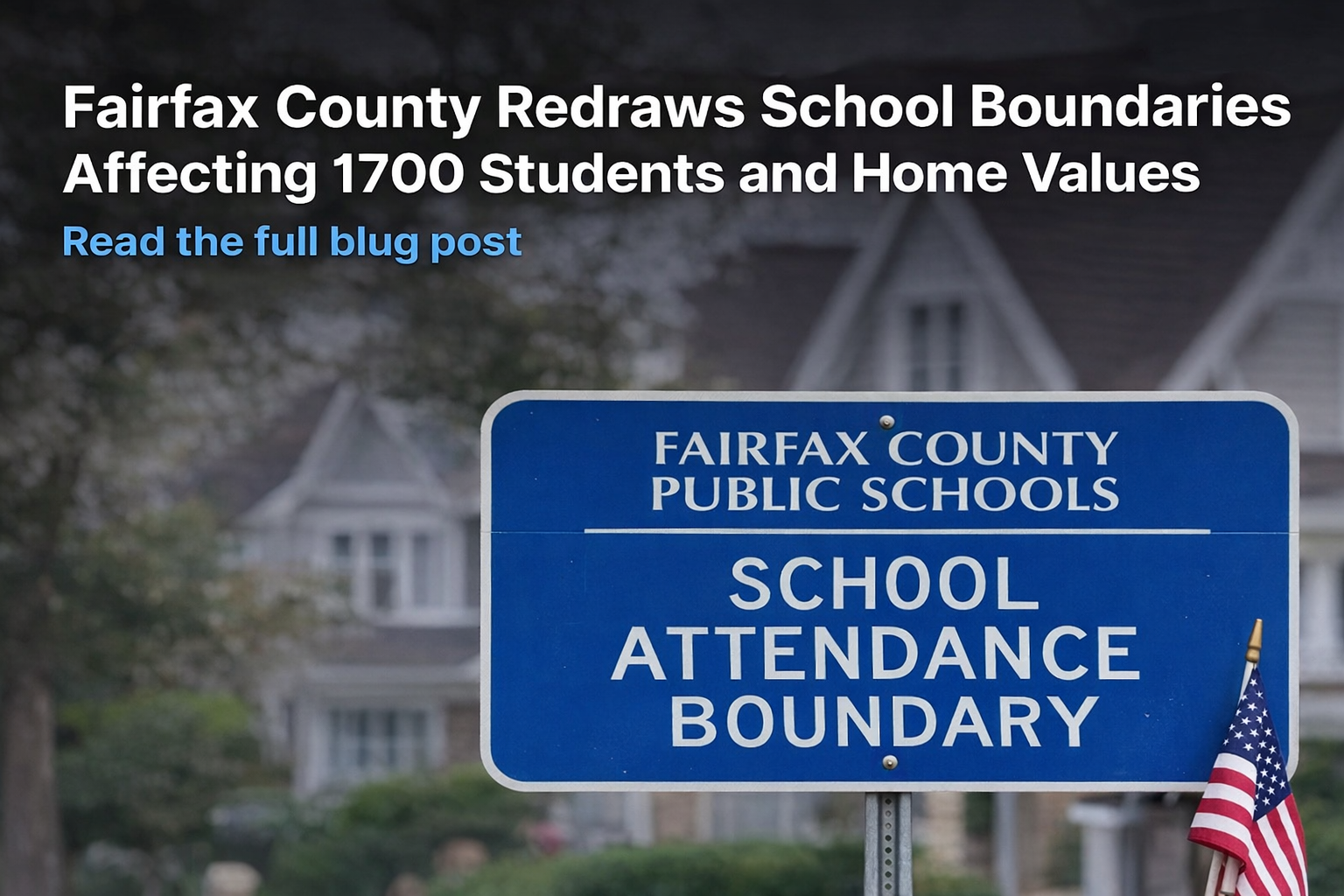
Fairfax County Public Schools, the largest school district in Virginia, is preparing to vote on new school attendance boundaries. These boundaries determine which public school a child attends based on their home address.
This marks the first major boundary redraw in decades. District leaders say the review is meant to address long-standing issues such as overcrowded schools, long bus rides, and confusing zoning patterns that no longer match current population trends.
A public forum is scheduled ahead of the school board vote, where families can weigh in before final decisions are made.
Why Are School Boundaries Being Changed Now?
In 2024, school leaders voted to begin reviewing attendance boundaries every five years instead of letting decades pass between updates. The goal was to make boundary changes more routine and less disruptive over time.
According to district officials, enrollment patterns in Fairfax County have changed significantly. Some schools are overcrowded, others are under capacity, and residential growth has created situations where students live close to one school but are zoned for another much farther away.
The review also aimed to reduce:
Overcrowding in certain schools
Long student commute times
“Attendance islands,” where small pockets of homes are zoned differently from surrounding neighborhoods
“Split feeders,” where students from the same elementary or middle school are sent to different schools later
How Many Students Are Affected?
Under the current proposal, about 1,700 students would be reassigned to different schools. That represents less than 1 percent of the district’s more than 180,000 students.
While the percentage is small, families affected say the impact is significant. School assignments influence daily routines, transportation, after-school activities, and a child’s sense of community.
Why Are Parents Upset?
The boundary review process has drawn hundreds of public comments and packed school board meetings. Many parents say they felt blindsided by proposed changes and did not receive enough notice or meaningful opportunities to give feedback early on.
Concerns raised by families include:
Learning about changes too late in the process
Fear of children being separated from established peer groups
Disruption to neighborhood communities
Worries about safety, walking routes, and longer bus rides
Parents on both sides of the issue voiced frustration. Some said the proposals did not go far enough to fix overcrowding. Others felt the changes went too far and unfairly targeted specific neighborhoods.
A Real Example of Community Pushback
In one Fairfax County neighborhood, families learned their children could be reassigned from Justice High School to Falls Church High School under an earlier draft of the proposal.
Parents described confusion and frustration, saying they had little opportunity to respond before the plan became public. After hours of public testimony and community pressure, the superintendent revised the proposal, pausing changes for that neighborhood and pushing further review to next year.
District leaders said additional community engagement is needed before making final decisions in those areas.
What School Leaders Are Saying
Superintendent Michelle Reid has acknowledged the challenges of the process, stating that no boundary plan can solve every problem without creating new ones.
Officials emphasize that keeping students at one school may leave overcrowding unresolved elsewhere, while fixing capacity issues may disrupt tight-knit neighborhoods. Safety, transportation distance, and walkability are also factors in every decision.
School officials have stressed that boundary reviews will now be an ongoing effort rather than a one-time event.
What This Means for Families Going Forward
Even families not affected by the current proposal could be impacted in the future. With boundary reviews scheduled every five years, changes may become more common across the district.
Parents are encouraged to:
Stay informed about boundary review schedules
Attend public meetings early in the process
Review proposed maps and documents carefully
Share feedback before decisions are finalized
As one parent put it, these decisions are about children’s lives, not just lines on a map.
Frequently Asked Questions
Will my child’s school change this year?
Only families in specific zones would be affected under the current proposal. Many neighborhoods will not see changes this cycle.
Will there be more boundary changes in the future?
Yes. Fairfax County Public Schools plans to review boundaries every five years moving forward.
Why doesn’t the district leave boundaries alone?
School leaders say population growth, school renovations, and enrollment shifts make periodic boundary reviews necessary.
How can parents have a say?
Parents can attend school board meetings, submit public comments, and participate in community forums during each review cycle.
Final Thoughts
Fairfax County’s decision to redraw school boundaries has highlighted the tension between planning for growth and protecting community stability. While district leaders frame the changes as necessary and limited, many parents see them as deeply personal decisions with lasting consequences.
As boundary reviews become routine, staying informed and engaged may be the only way families can influence how those lines are drawn.
